How Can Montessori Schools Help Shy Children Build Confidence?
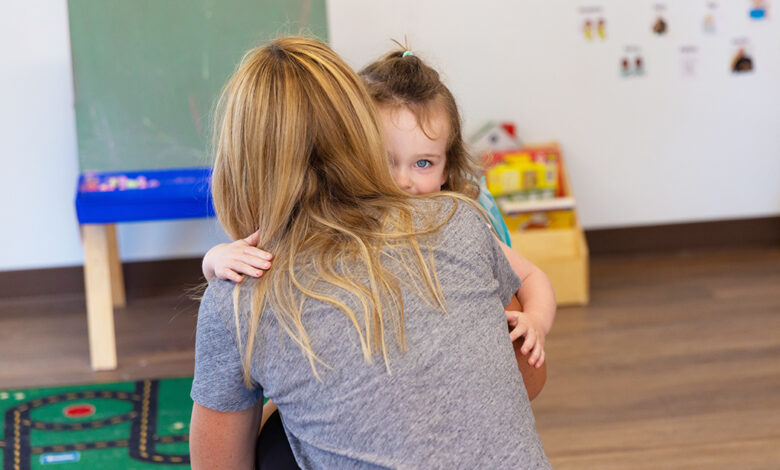
Montessori education honors every child’s individuality, making it an ideal place for youngsters who linger on the edges of group activities or hesitate to speak up. Here, children learn at their own pace, choose work that genuinely interests them, and collaborate in gentle, organic ways. This freedom lets shy learners stretch their comfort zones gradually while feeling respected, safe, and heard.
Child-Led Choice Sparks Internal Motivation
When children are allowed to choose their activities, they develop a sense of ownership that naturally boosts confidence. In a Montessori environment, shelves display enticing materials within easy reach, inviting each learner to follow personal curiosity rather than an externally imposed schedule. A shy child can begin with solitary, hands-on work such as pouring grains or matching picture cards, enjoying the quiet success of mastering a concrete task.
As skill and self-trust grow, the same child often feels ready to invite a classmate to watch or to join a small group lesson. Because choice is authentic and never rushed, participation becomes a self-propelled step instead of a forced leap, turning tentative learners into purposeful doers.
Multi-Age Communities Offer Friendly Role Models
Montessori classrooms typically group children in three-year age spans, a structure that creates a living ladder of experience. Older students naturally demonstrate lessons, serve snacks, or help tie shoelaces, providing younger or quieter classmates with daily examples of calm, confident behavior. For a shy child, observing an admired six-year-old calmly present the parts of a flower can be more persuasive than any adult pep talk.
Before long, the younger learner volunteers to carry the watering can or label leaf shapes, mimicking the leadership witnessed. When it is finally that child’s turn to be among the oldest in the room, the cycle of mentoring repeats, cementing a deep belief that quiet voices still have valuable knowledge to share.
Carefully Prepared Spaces Ease Social Anxiety
Physical design matters for sensitive children. Montessori guides arrange low tables, floor mats, and cozy reading corners so that movement is purposeful and predictable, not chaotic. Clear pathways mean a shy learner can walk to the bead cabinet without weaving through noisy clusters of peers. Materials are self-contained and self-correcting, so a child can spot and fix mistakes privately rather than waiting for public approval.
The overall hum of concentration, sometimes called the “quiet buzz,” reduces the need to speak loudly or compete for attention. In this calm atmosphere, reserved students feel safe experimenting with new work just beyond their comfort zone, building confidence through repeated, low-stress successes.
Guides Model Respectful Communication
Montessori teachers are called guides because they observe first and intervene gently, using respectful language that treats children as capable collaborators. A guide kneels to eye level, speaks in a steady tone, and waits patiently after asking, “Would you like me to show you how this works?” Such interactions teach shy children that their voices matter and that silence is not ignored but honored.
When conflicts arise, guides facilitate restorative conversations, supplying phrases like “I feel” and “I need” rather than issuing top-down commands. Over time, reserved students internalize this script, practicing clear, confident expression with peers and adults alike, inside and outside the classroom.
Conclusion
By weaving together child-led choice, mixed-age mentorship, thoughtful environments, and respectful adult guidance, Montessori schools give shy children exactly what they need to step forward at their own rhythm. The resulting confidence is not a borrowed bravado but a quiet, resilient self-assurance that endures long after the classroom doors close, empowering them to embrace new friendships, challenges, and stages of life with genuine optimism.