A Day in the Life of a Construction Site Engineer
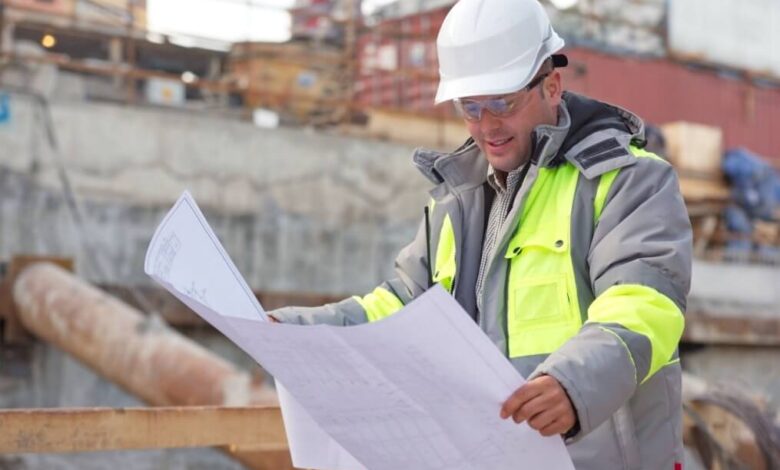
When the office lights are still off and the city is only beginning to stir, a construction site engineer is already lacing up steel-toed boots. The role hums where blueprints meet bulldozers—a blend of math, mud, and management that keeps people safe and schedules honest. Here’s how a typical shift unfolds.
Sunrise Briefings and Sitewalks
Dawn finds the engineer at the field-office whiteboard, coffee steaming beside a stack of drawings. In fifteen brisk minutes, they hash out overnight weather data, crane availability, and the day’s concrete-pour sequence with the superintendent. Hard hat on, they pace the perimeter before trades arrive, checking formwork elevations, temporary shoring, and the ever-shifting maze of caution tape.
That walk is part inspection, part intuition—catching a misaligned anchor bolt early saves a costly delay later and sets the tone for a zero-defect morning. A quick thumbs-up to the security guard lets everyone know it’s go time.
Managing the Moving Puzzle of People and Machines
As crews clock in, the site engineer becomes a traffic controller with a structural streak. They release updated survey coordinates to the layout team, approve rebar tweaks requested by the ironworkers, and choreograph telehandler routes so deliveries reach the slab without boxing in the electricians. Every call balances safety and sequence: one delayed concrete truck can create idle labor and a domino of subcontractor complaints.
Juggling budgets, personalities, and vibrating phone alerts takes diplomacy; a well-timed joke often smooths negotiations better than another directive. There’s math in their notebook, but people skills in every handshake.
Problem-Solving in Real Time
Despite meticulous planning, the unexpected is a guaranteed guest. Mid-morning, an excavator uncovers an unmarked utility line inches from the new footing. The engineer halts work, summons locators, and sketches a revised footing detail that slips the rebar cage around the pipe without compromising load paths.
Minutes later, design consultants join a video call to bless the change. That agility—turning snag into solution while documenting each step—keeps the project on schedule and the crew confident that no problem is too big to solve.
Wrapping Up with Reports and Reflections
The afternoon settles into a measured rhythm: concrete breaks are logged, survey points re-shot, and tomorrow’s weather contingencies drafted. One last lap confirms the slab is protected with curing blankets and the freshly set columns rest squarely on shim packs; even the construction mats that cover muddy egress zones are straightened for morning traffic.
Back at the trailer, the engineer files daily reports, uploading photos, test results, and a note on the hidden pipe incident so tomorrow’s safety briefing starts with lessons learned rather than blame assigned.
Conclusion
By five-thirty, the generators are quiet, but a site engineer’s work lingers in the evening light—fresh concrete glows, and steel silhouettes against the sky. The role pairs problem-solving with people skills, spreadsheets with soil, proving that every finished building is as much an engineering triumph as a human collaboration stitched together day by day.